Chenille patches last longest when you wash the garment inside out in cold water, air dry it, keep heat off the pile and store it flat or on a padded hanger. This guide from Customized Chenille Patches covers washing, drying, spot cleaning, storage and how to revive flattened loops, plus the ordering choices that make chenille patches easier to care for.
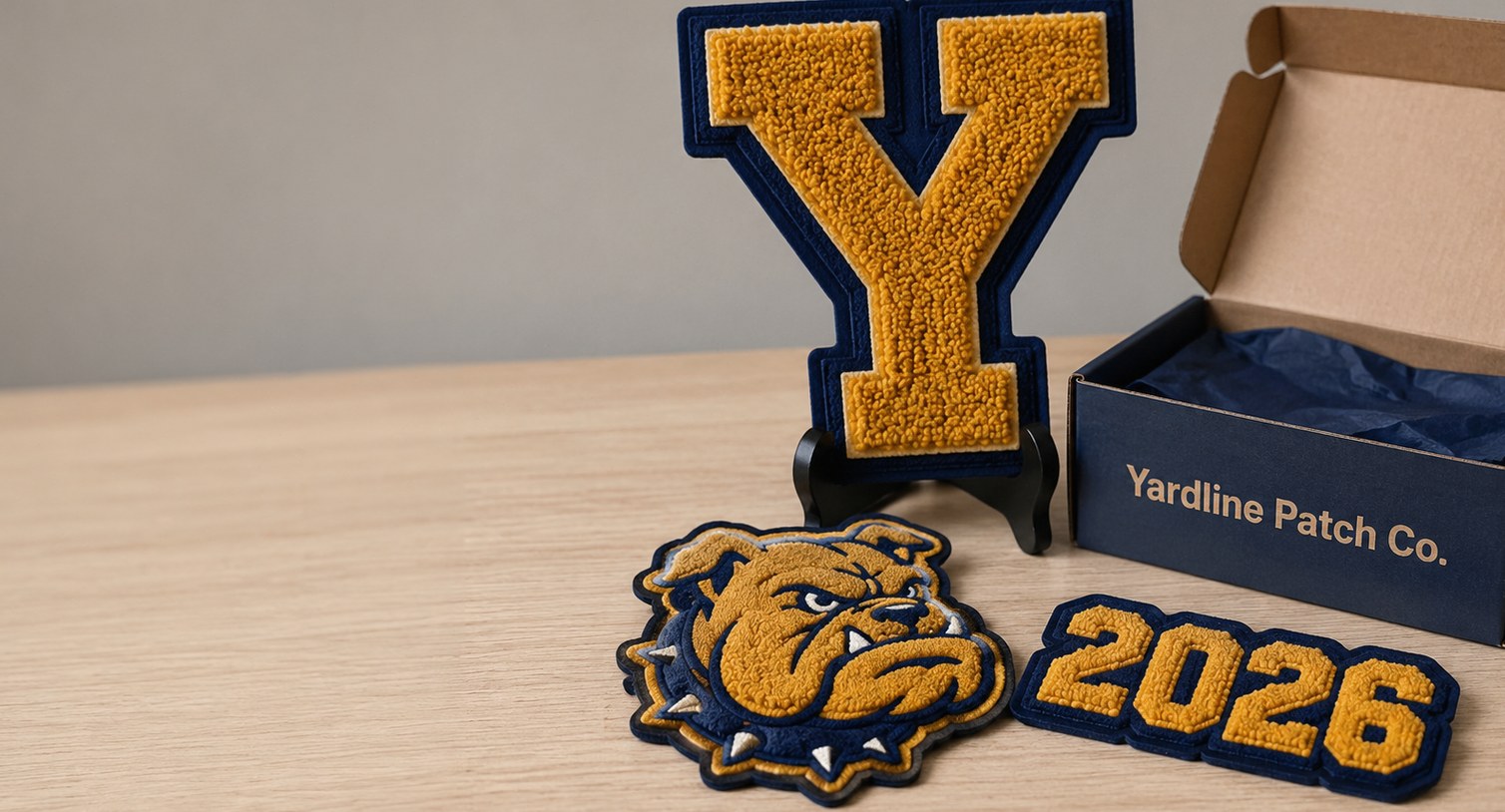
- Wash inside out in cold water on a gentle cycle, then air dry
- Never iron directly on chenille pile; press around it or from inside
- Gentle steam and a soft brush revive flattened loops
- Sew-on backing holds up best on garments washed often
- Free mockup within 24 hours, minimum order 12
How do you wash a garment with chenille patches on it?
Wash a garment carrying chenille patches inside out, in cold water, on a gentle cycle, and let it air dry flat. Chenille patches are built from looped pile yarn sitting on a felt base, and that loop is what gives the patch its raised, soft texture. Agitation and heat are the two things that flatten and fuzz the loop, so every step of a good wash routine is about reducing both.
Turning the garment inside out keeps the pile from rubbing against zips, buttons and other clothes in the drum. A mesh laundry bag adds another layer of protection for hoodies and tote bags. Use a mild liquid detergent rather than powder, because undissolved powder can lodge in the pile and dull the color.
- Do: cold water, gentle or delicate cycle, garment turned inside out.
- Do: air dry flat or hang, then reshape the pile with your fingertips while damp.
- Avoid: bleach, fabric softener sheets and heavy-duty cycles.
- Avoid: wringing the patch area, which crushes the loops.
For letterman jackets with wool bodies and leather sleeves, the garment itself usually needs professional cleaning, which settles the question for the patches too. Tell the cleaner the jacket carries chenille so they skip steam pressing directly on the pile.
Can you put chenille patches in the dryer or iron over them?
Keep chenille patches out of a hot dryer and never iron directly on the pile. High heat can shrink the felt base unevenly, loosen heat-seal backings, and crush the raised loops into a flat, shiny mat that rarely recovers. Air drying is the safe default for anything carrying a chenille patch you care about.
If a garment must go in the dryer, use the lowest heat or air-only setting and pull it out while still slightly damp. Then let it finish drying flat. This matters most on iron-on patches, because the same adhesive that bonded the patch with heat can soften again in a hot drum and let the edges lift.
When the garment around the patch needs pressing, iron from the inside of the garment, or lay a thick towel over the patch and press around it rather than on it. A clothes steamer held a short distance away is the gentlest way to relax creases near the patch without flattening the loops. Sew-on attachment is the better choice for garments that will see frequent laundering, because stitching does not soften with heat.
How do you fix chenille patches that look flat or fuzzy?
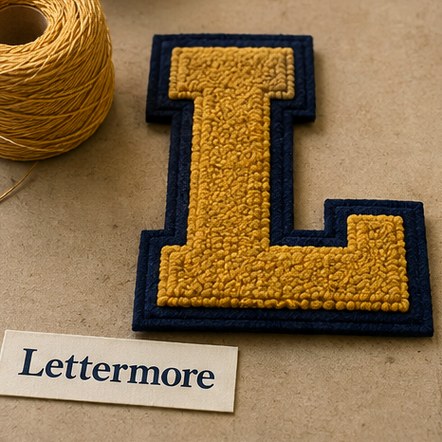
Flattened chenille patches can usually be revived with gentle steam and a soft brush. The loops in chenille pile are flexible, so a little moisture and lift restores much of the original height. Fuzz and pilling come from loose fiber ends working free, and those can be trimmed or lifted off carefully.
- Hold a steamer or a steaming kettle spout a short distance from the patch for a few seconds, never touching it.
- While the pile is warm and slightly damp, brush it upward with a soft clothes brush or a clean toothbrush.
- Let the patch dry completely before wearing or storing the garment.
- For pilling, use a fabric shaver on its lightest setting or small scissors to snip only the loose fibers sitting on top of the loops.
Never pull at a loose loop. Chenille is stitched as a continuous yarn, and pulling one loop can drag a line of neighbors out with it. Trim a single stray loop level with the pile instead, or take the garment to a tailor who can tack it back down.
Felt borders that look tired can be brushed the same way. A lint roller removes surface lint from both the felt and the pile without disturbing the loops.
How should you store letterman jackets and spare chenille patches?
Store letterman jackets on a wide, padded hanger in a breathable garment bag, and keep spare chenille patches flat in a box away from light and moisture. The two enemies of a stored chenille patch are crushing and fading. A jacket folded into a drawer for a whole summer comes out with creased letters and flattened pile.
A breathable cotton garment bag protects against dust while letting moisture escape. Plastic dry-cleaning bags trap humidity, which can lead to musty smells and mildew on felt. Give the jacket enough space in the closet that sleeves and chest patches are not pressed against other coats.
For loose patches held back for later awards, new members or replacements:
- Lay patches flat in a single layer or separated by sheets of acid-free tissue.
- Use a closed box kept in a cool, dry, dark cupboard.
- Keep iron-on patches away from warm spots such as attics, car trunks and radiators, where adhesive can soften.
- Label each box by design, color and year so the next coach or manager can find the right patches quickly.
Coaches running a varsity letter patch programme often keep a spares box like this for students who letter mid-season.
Does sun and daily wear fade chenille patches?
Chenille patches can fade with long sun exposure, like most dyed textiles, so the simplest protection is keeping jackets and bags out of direct sunlight when they are not being worn. A jacket left draped over a car seat or hung by a bright window will show it first on the most exposed patches.
Daily wear causes a different kind of change. Patches on high-contact spots, such as the front of a backpack, the cuff of a sleeve or the lower back of a jacket, get rubbed far more than a chest letter. Over time that friction softens the loop and can raise fuzz. Placement decisions made at the ordering stage can help.
| Placement | Wear level | Care tip |
|---|---|---|
| Chest letter or emblem | Low | Brush occasionally, steam before events |
| Sleeve year or number | Medium | Check stitching each season |
| Back patch on jacket | Medium | Avoid hanging the jacket on chair backs |
| Backpack or tote front | High | Choose sew-on backing and spot clean only |
For apparel brands, telling customers how to care for a patched garment protects the product after it leaves the shop. The page on chenille patches for streetwear and apparel brands covers placement and garment choices in more detail.
How do you spot clean a stain on a chenille patch?
Spot clean chenille patches by blotting, never rubbing. Rubbing pushes the stain deeper into the pile and frays the loops, while blotting lifts it out. A clean white cloth, cold water and a drop of mild detergent handle most everyday marks such as food, drinks and dirt from a game.
- Blot away as much of the spill as possible with a dry white cloth.
- Dampen a second cloth with cold water and a small amount of mild detergent.
- Dab the stain from the outside edge toward the center so it does not spread.
- Rinse by dabbing with a cloth dampened in plain water.
- Press with a dry towel, brush the pile upright and let it air dry.
Test any cleaner on the back of the patch or an inside seam first, because some products can lift dye from felt. Avoid solvent-based stain removers on iron-on patches, since they can weaken the adhesive. For grease, ink or stains on a wool and leather letterman jacket, a professional cleaner is the safer call.
How can you order chenille patches that are easier to care for?
The easiest chenille patches to care for are ordered with sew-on backing, sized for their placement and designed with bold shapes. Care starts at the ordering stage, because the backing, border and design all decide how a patch handles years of washing and wear.
- Backing: sew-on attachment survives laundering far better than iron-on. Iron-on suits quick, light-use projects.
- Design: large, simple chenille areas keep their shape. Fine detail is better handled as embroidery on the felt, which is how mascot and emblem chenille patches carry fine lines.
- Border: a felt border around the pile helps the edge sit flat and protects the outer loops.
- Garment: heavier fabrics such as wool, fleece and denim support a chenille patch better than thin knits.
Customized Chenille Patches returns a free mockup within 24 hours, so you can check size, border and backing before anything is made. Revisions are unlimited and free, and you pay nothing until you approve the design. Orders start at a minimum of 12, with standard turnaround of about 2 weeks and faster turnaround available with express shipping. Share where the patches will be worn when you request a quote, and the mockup can reflect a construction suited to that use. The how it works page walks through each step.
Frequently asked questions
Can I wash a hoodie with a chenille patch in a regular machine?
A hoodie with a chenille patch can go in a regular washing machine if you turn it inside out, use cold water and choose a gentle cycle. A mesh laundry bag adds protection for the pile. Skip bleach and fabric softener, and air dry the hoodie flat afterward. Customized Chenille Patches recommends sew-on backing for hoodies that will be washed often.
Why do chenille patches go flat after a while?
Chenille patches go flat when the looped pile is crushed by heat, pressure or friction. Hot dryers, ironing directly on the patch, tight folding in storage and constant rubbing against bags or seats all compress the loops. Gentle steam followed by brushing the pile upward with a soft brush usually restores much of the original raised texture.
What is the safest way to dry a jacket with chenille patches?
A jacket with chenille patches is safest air dried on a wide, padded hanger or laid flat on a towel. Reshape the pile with your fingertips while it is still damp. If a dryer is unavoidable, use the lowest heat or air-only setting and remove the jacket while slightly damp so the patches finish drying naturally.
Can a dry cleaner clean a letterman jacket with chenille letters?
A letterman jacket with chenille letters is usually best cleaned by a professional, especially when it has wool body panels and leather sleeves. Tell the dry cleaner the jacket carries chenille so they avoid steam pressing directly on the pile. Ask them to press around the letters or from the inside to keep the loops raised.
How do I remove pilling from a chenille patch?
Pilling on a chenille patch can be removed with a fabric shaver on its lightest setting or small sharp scissors. Work slowly and trim only the loose fiber balls sitting on top of the loops, never the loops themselves. Brush the pile upright afterward. Avoid pulling at fibers, because chenille yarn runs continuously and loops can unravel.
What should I do if a loop pulls loose on my chenille patch?
A loose loop on a chenille patch should be trimmed level with the surrounding pile, not pulled. Chenille is stitched as a continuous yarn, so pulling one loop can drag neighboring loops out of the patch. For a larger snag or a patch edge lifting from the garment, a tailor can tack the yarn or edge back down neatly.
How should a coach store leftover varsity chenille patches between seasons?
Leftover varsity chenille patches should be stored flat in a closed box, separated by acid-free tissue, in a cool, dry and dark cupboard. Label each box by design, color and year. Customized Chenille Patches suggests keeping iron-on patches away from attics and car trunks, where warmth can soften the adhesive before the patches are used.
Will chenille patch colors fade in sunlight?
Chenille patch colors can fade with long exposure to direct sunlight, as with most dyed textiles. Keep jackets, bags and pennants carrying chenille patches out of bright windows and parked cars when they are not in use. Storing garments in a breathable bag inside a closet is the simplest way to protect the original colors.
Is it safe to use stain remover on a chenille patch?
A stain remover can be used on a chenille patch only after testing it on the back of the patch or an inside seam. Some products lift dye from felt, and solvent-based removers can weaken iron-on adhesive. For most marks, blotting with cold water and a drop of mild detergent is the gentler and safer first step.
Do sew-on chenille patches last longer than iron-on ones?
Sew-on chenille patches generally hold up longer than iron-on patches on garments that are washed or worn often. Stitching keeps the patch secure through heat and agitation, while iron-on adhesive can soften and let edges lift. Customized Chenille Patches can show either option on the free mockup so you can choose before production starts.
Can chenille patches be cleaned on a backpack or tote bag?
Chenille patches on a backpack or tote bag are best spot cleaned rather than machine washed. Blot marks with a cloth dampened in cold water and mild detergent, working from the edge inward, then press dry and brush the pile upright. Bags rub against bodies and seats, so check the patch stitching every few months.
Get a free mockup for your chenille patches
Send your logo or idea and the quantity you have in mind. Customized Chenille Patches returns a free mockup within 24 hours, you approve the design before anything is produced, and standard turnaround is about two weeks with faster options available. Get a custom quote.